
Uzbekistan Makes Historic World Cup Debut in Group K Alongside Portugal and Colombia
Central Asian nation becomes first-time qualifier; faces Cristiano Ronaldo's Portugal and Copa América finalists Colombia in challenging group.
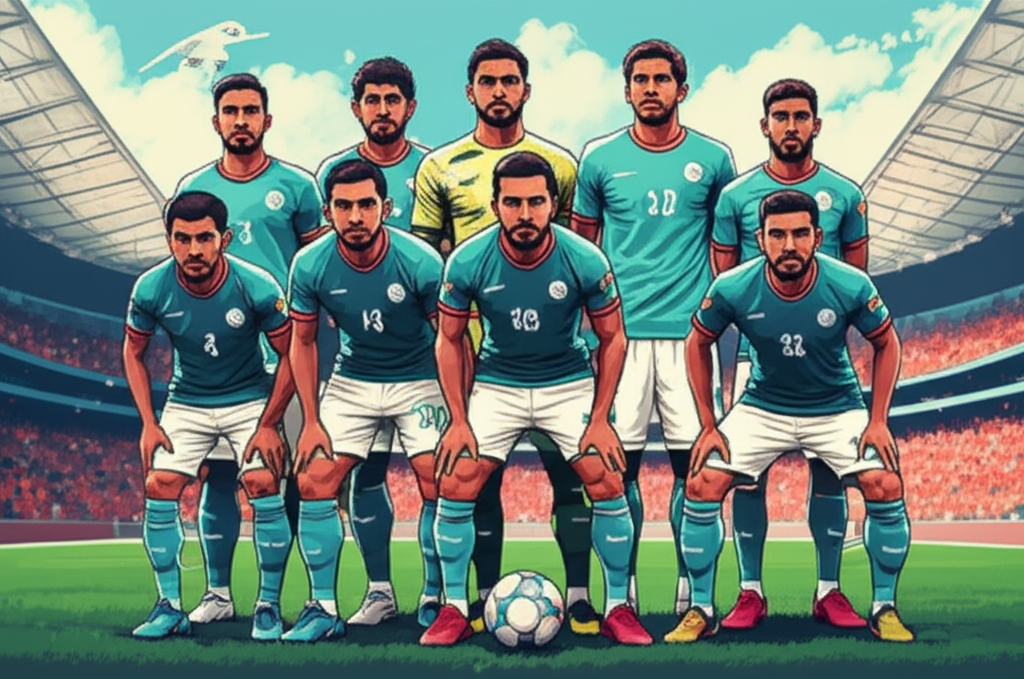
Uzbekistan's qualification for the 2026 FIFA World Cup represents one of the tournament's most compelling narratives—a Central Asian nation making their debut on football's biggest stage after decades of near-misses and heartbreaking playoff defeats. Wikipedia confirmed that "Cape Verde, Curaçao, Jordan, and Uzbekistan will all make their World Cup debuts," establishing the White Wolves as one of four first-time participants in the expanded 48-team format. For a nation of 35 million that has invested heavily in football development, this achievement validates years of infrastructure building and youth academy investment.
NortheastTimes emphasized the historic nature of Uzbekistan's achievement: "First-time qualifiers: Cabo Verde, Curaçao, Jordan, and Uzbekistan will all make their FIFA World Cup debuts in 2026." The qualification journey showcased Uzbekistan's tactical evolution under coaches who have implemented modern pressing systems and possession-based football that contrasts sharply with the defensive approaches that characterized earlier generations. European-based players now populate the squad, bringing experience from competitive leagues that prepares them for World Cup intensity.
Group K presents a formidable but fascinating challenge for Uzbekistan's World Cup debut. Portugal arrives with Cristiano Ronaldo potentially making his record sixth World Cup appearance, bringing attacking firepower and tournament experience that few nations can match. Colombia, fresh from reaching the Copa América final, possesses South American flair combined with tactical discipline that makes them dangerous opponents for anyone. The playoff winner completes the group, adding uncertainty but likely another quality opponent. Uzbekistan enters as clear underdogs in all three matches, yet tournament history shows debuts often produce unexpected results when teams play without pressure.
The Olympics' preview noted that "At least four countries — including Cabo Verde, Curaçao, Uzbekistan and Jordan — are set to appear at a men's World Cup for the first time," highlighting how the 48-team expansion has democratized World Cup qualification. For Uzbekistan specifically, this expansion proved crucial—the additional Asian slots transformed near-misses into actual qualification, providing opportunities that the previous 32-team format denied to emerging football nations. Whether expansion dilutes quality or broadens opportunity remains debated, but for Uzbek football fans celebrating their first World Cup, the argument is settled.
Uzbekistan's squad blends domestic league stalwarts with players competing in Russia, South Korea, and emerging European leagues. This mix provides tactical flexibility—domestic players understand Uzbek football identity, while overseas players bring exposure to different tactical systems and higher competitive standards. The challenge lies in forging these elements into a cohesive unit capable of executing game plans against opponents who possess superior individual quality across all positions.
For the White Wolves, realistic expectations focus less on advancing from the group and more on competitive performances that earn respect and demonstrate Uzbek football belongs at this level. A draw against Colombia or the playoff winner would represent success; forcing Portugal to work hard for victory would validate the qualification achievement. World Cup debuts rarely produce fairy-tale knockout stage runs—they're typically learning experiences where nations discover what's required to compete at the highest level and what improvements are needed for future tournaments.
Uzbekistan's 2026 World Cup journey transcends football, representing Central Asian emergence onto global sporting stages that have long been dominated by European, South American, and traditional Asian powers like Japan and South Korea. The nation's debut carries symbolic weight for a region seeking international recognition and respect. Whether Uzbekistan's footballers can convert that symbolic importance into on-field competitiveness against Portugal and Colombia remains uncertain, but their mere presence at the tournament represents a historic achievement that reshapes Central Asian football's trajectory for generations to come.