
Home or Burden? The Weight of Expectation on USMNT's Shoulders
With four months until kickoff, the United States faces a double-edged sword: the roar of home crowds and the pressure that comes with it.
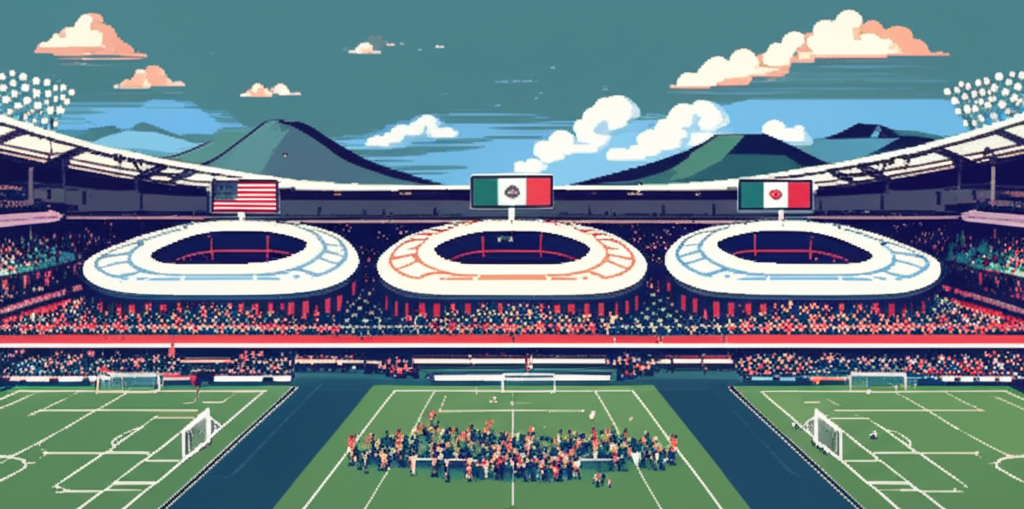
The Home Field Paradox
Four months. That's all that separates the United States men's national team from the most scrutinized tournament in American soccer history. When the World Cup kicks off in June, every USMNT match will be played before 60,000+ partisan fans—a dream scenario for most teams. But history suggests home advantage is a coin flip: exhilarating when it works, suffocating when it doesn't.
When Home Advantage Works
The evidence is compelling. Since 1930, host nations have won six World Cups: Uruguay (1930), Italy (1934), England (1966), West Germany (1974), Argentina (1978), and France (1998). That's 21% of all tournaments—well above statistical probability given the field size.
More recently, host nations consistently overperform expectations:
- South Korea 2002: Fourth place (best Asian finish ever)
- Germany 2006: Third place (exceeded pre-tournament predictions)
- Russia 2018: Quarterfinals (ranked 70th globally entering the tournament)
The common thread? Deafening crowd support that lifts players beyond their normal capabilities.
When It Backfires
Brazil 2014: The cautionary tale. The Seleção entered as favorites, playing on sacred ground where they'd won five World Cups. Then came the semifinal: Germany 7, Brazil 1. The most humiliating defeat in Brazilian football history, delivered on home soil with the world watching. The pressure didn't elevate Brazil—it crushed them.
South Africa 2010: First-round exit for the hosts, despite passionate home crowds. The weight of an entire continent's hopes proved too heavy.
The lesson: home advantage amplifies everything. Confidence becomes swagger. But nerves become paralysis.
The American Crowd Factor
The U.S. presents a unique variable: immigrant football fandom. When the USMNT plays Mexico at MetLife Stadium, the crowd is often 70% pro-Mexico. When Brazil or Argentina visit, their supporters fly in by the thousands.
Will this dilute American home advantage? Mauricio Pochettino addressed this in recent interviews: "Our job is to make American fans fall in love with this team. Not by talking, but by playing beautiful, winning football."
Pressure Points
Pochettino's squad features players accustomed to pressure—Christian Pulisic at AC Milan, Weston McKennie at Juventus, Tyler Adams at Bournemouth. But World Cup pressure on home soil is different. It's not just 50,000 fans; it's your childhood coach, your high school friends, your family in the stands. It's every sports bar in America watching.
The mental game will be decisive. U.S. Soccer has reportedly brought in sports psychologists to work with the squad during the final preparation camps. The focus: embracing pressure rather than fearing it.
The Verdict
Home advantage will matter, but only if the USMNT can harness it. Pochettino's experience managing in high-pressure environments is invaluable. His job is to frame the noise as fuel, not distraction.
If they execute, the roar of American crowds could carry them deep into the tournament. If they falter early, that same roar will become a deafening silence—and the "home advantage" will be remembered as the burden that was too heavy to bear.
Four months to find out.