
Senegal Rides AFCON Triumph Into World Cup with Sadio Mané Leading the Charge
Reigning African champions enter 2026 tournament with momentum as Mané hits peak form, setting up blockbuster Group I clash with France.
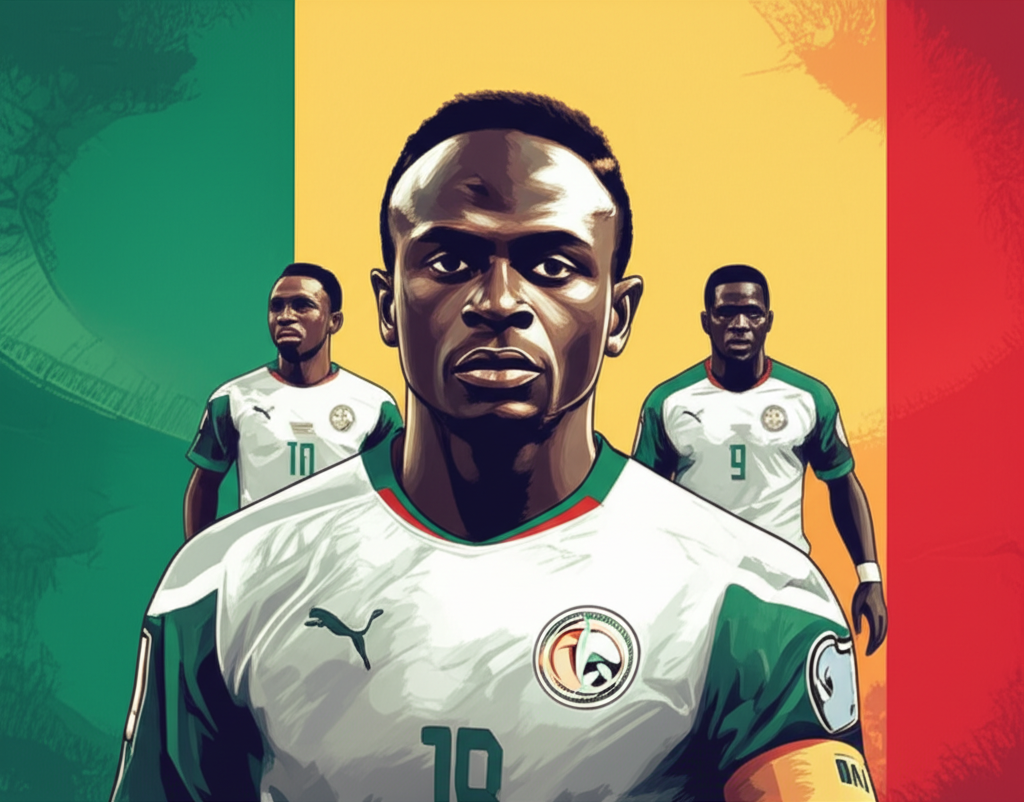
Senegal arrives at the 2026 FIFA World Cup wearing an unfamiliar crown: African champions. After capturing the 2025 Africa Cup of Nations title, the Lions of Teranga carry momentum, confidence, and the weight of continental expectations into North America. At the heart of this golden era stands Sadio Mané, whose resurgence at Al Nassr has coincided perfectly with Senegal's ascent to African supremacy.
Mané's role in Senegal's World Cup qualification was decisive. On October 14, 2025, he netted twice in a commanding 4-0 victory over Mauritania, sealing Senegal's place in the expanded 48-team tournament. The brace showcased the clinical finishing and intelligent movement that have defined his career, attributes that remain sharp despite his move to Saudi Arabia's Pro League. Far from diminishing his influence, the transfer has revitalized Mané's game—he enters the World Cup named Best Player at the recent AFCON and riding a wave of form that has silenced doubters who questioned his decision to leave European football.
"After being named Best Player at the last Africa Cup of Nations, he heads into the upcoming international fixtures—including the 2026 World Cup—with confidence," Foot Africa reported. That confidence permeates the entire Senegal squad, which features a blend of Premier League regulars, Ligue 1 stalwarts, and emerging talents who contributed to the AFCON triumph. The chemistry developed during that continental campaign provides Senegal with cohesion that many World Cup squads spend months attempting to build.
Senegal's Group I draw has generated massive global interest: France, Norway, and a playoff qualifier. The France fixture carries particular emotional resonance—many Senegalese players were born in France or developed through French youth systems before choosing to represent the country of their heritage. Lamine Camara, who switched from France's youth teams to Senegal and starred at AFCON, epitomizes this dynamic. The Athletic noted, "It is a mark of Senegalese power that Camara, who had played in France's youth teams, chose to represent the recently crowned AFCON champions over the country of his birth."
That France-Senegal clash will pit Mané against Kylian Mbappé in a generational showdown. While Mbappé represents the present and future of world football, Mané—now 33—aims to prove that experience, tactical intelligence, and championship pedigree can neutralize raw athleticism. Senegalese fans on social media have expressed bold confidence, with supporters declaring, "We're going to beat France and the cup will come to Senegal." While such predictions reflect fan enthusiasm more than tactical analysis, they capture the belief coursing through Senegal's football community.
The Norway match presents different challenges: Erling Haaland's aerial dominance and finishing ability will test Senegal's defensive organization, particularly their ability to deny service to elite strikers. Senegal's AFCON success was built on defensive solidity as much as attacking flair, suggesting they possess the tactical discipline to frustrate Norway's approach. The third group opponent—still to be determined via playoff—adds an element of uncertainty, though Senegal's preparation will focus on the known quantities in France and Norway.
Beyond individual matchups, Senegal's World Cup campaign represents African football's aspirations on the global stage. No African nation has reached a World Cup final, and only three (Cameroon, Senegal, Ghana) have made the semifinals. As reigning continental champions with a generational talent in Mané and a squad battle-tested through AFCON pressure, Senegal carries the realistic possibility of breaking that barrier. Whether they can navigate Group I's challenges and sustain a deep tournament run remains uncertain, but one thing is clear: Senegal arrives in North America not as participants, but as legitimate contenders with championship experience and a burning desire to prove African football belongs among the world's elite.