
Ronaldo's World Cup Dream in Doubt After Hamstring Injury Clouds Portugal Preparations
Portuguese captain faces race against time to prove fitness for March friendlies against USA and Mexico; record sixth World Cup appearance at risk as recovery timeline uncertain.
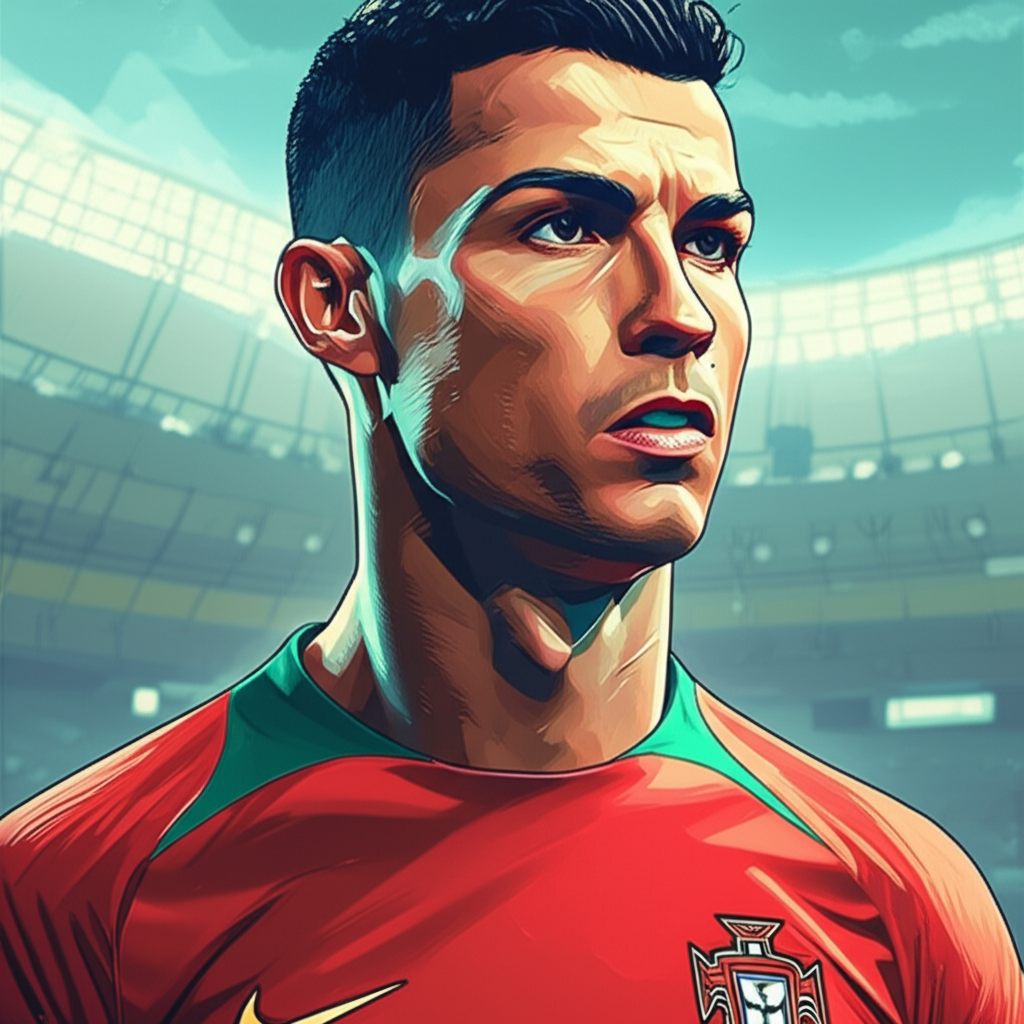
Cristiano Ronaldo's quest to become the first player to appear in six World Cups faces its most serious threat after the Portuguese captain suffered a hamstring injury while playing for Al-Nassr in Saudi Arabia. The timing could hardly be worse—Portugal is scheduled to face Mexico and the United States in late March in what World Soccer Talk described as "important preparation before the 2026 World Cup," with manager Roberto Martínez relying on these friendlies as his final competitive evaluations before selecting his World Cup squad. The injury has sent shockwaves through Portuguese football and raised urgent questions about whether the 41-year-old legend can recover in time to lead his nation at the tournament.
Pro Football Network confirmed the severity of the situation, reporting that Ronaldo "is now a major doubt for Portugal's last pre-tournament training camp after suffering a hamstring injury while playing for Al-Nassr in a Saudi Pro League fixture." The exact timeline for recovery remains uncertain, though World Soccer Talk indicated that "rehabilitation projected to last between two and four weeks maximum," with Ronaldo "likely to miss the upcoming league fixtures against NEOM SC and Al-Khaleej." If the recovery extends to the four-week mark, it would place Ronaldo's availability for the March internationals in serious jeopardy.
Marca emphasized the dual impact of the injury: "It is also very likely that he could not only miss a couple of Saudi Pro League games, but also be left out of his commitments with the Portuguese national team, 100 days before the start of the 2026 FIFA World Cup." The article highlighted how the injury affects both Al-Nassr's domestic title chase and Portugal's World Cup preparations simultaneously. For Ronaldo, who has meticulously managed his fitness in recent years to extend his career, this hamstring problem represents a reminder that age eventually catches every athlete regardless of legendary status or obsessive preparation.
The Portugal national team has been building toward the March friendlies as critical preparation milestones. Facing the United States—one of the tournament's co-hosts—and Mexico provides competitive tests that simulate World Cup intensity far better than matches against lower-ranked nations. World Soccer Talk noted that "these friendlies are expected to be Portugal's final competitive rehearsals before the 2026 World Cup," making Ronaldo's potential absence particularly problematic. Martínez needs to see how his attacking structure functions, whether Ronaldo still possesses the burst and movement to threaten elite opposition, and how the team performs when the captain is unavailable.
The injury also affects logistical planning beyond the friendlies themselves. The Palm Beach Post reported that Portugal "will train in Palm Beach Gardens for the FIFA World Cup," establishing a Florida base camp that will serve as the team's North American headquarters during the tournament. The decision to establish this training base reflects Portugal's commitment to acclimatizing properly to American conditions, avoiding the mistakes some European teams made in previous World Cups when they underestimated travel logistics and climate differences. Ronaldo's recovery will determine whether he participates in this crucial pre-tournament training camp.
Despite the injury scare, Ronaldo's ultimate goal remains unchanged. World Soccer Talk emphasized that "the Portuguese legend hopes to participate in a record sixth World Cup, with the 2026 tournament set to begin in the United States, Mexico, and Canada." If Ronaldo does appear at the tournament, he will achieve a milestone unlikely to ever be matched, having represented Portugal at every World Cup from 2006 through 2026—a two-decade span that covers multiple generations of players and managers. His longevity defies conventional wisdom about athletic decline and represents perhaps his most remarkable achievement beyond the goals and trophies.
Portugal enters the tournament in Group K alongside Colombia and Uzbekistan. While GB News incorrectly referenced an old draw scenario mentioning "DR Congo, Jamaica or New Caledonia," the actual group composition places Portugal as favorites to advance comfortably. Colombia represents the most serious challenge—a talented South American side that reached the Copa América final and boasts attacking firepower capable of troubling any defense. Uzbekistan makes their World Cup debut and will approach matches against European giants without fear or expectation. Portugal should progress from this group, but tournament football rewards execution over reputation.
The injury raises deeper questions about Portugal's World Cup structure. If Ronaldo cannot participate fully in March preparations, should Martínez plan his tactics around the captain's potential absence? Or does Portugal's entire strategic approach depend on Ronaldo's presence, making any backup planning futile? The team has spent years building around their talisman's strengths and weaknesses—his movement into channels, his aerial dominance, his free-kick threat. Removing him from that equation forces fundamental recalibration that cannot happen overnight, especially if the injury uncertainty extends into May and June.
For now, Portugal and Al-Nassr await medical assessments that will determine Ronaldo's recovery timeline. Goal.com captured the uncertainty: "The road to the 2026 World Cup has hit a significant speed bump for Cristiano Ronaldo, as the Portugal captain is now a major doubt for his nation's final international camp before the tournament." Whether this speed bump becomes a roadblock depends on factors beyond anyone's control—how quickly hamstring fibers heal, whether rehabilitation proceeds smoothly, and whether a 41-year-old body can recover as quickly as it once did. The answers will determine not just Portugal's March friendlies but potentially the entire trajectory of their World Cup campaign.