
New Zealand Returns to World Cup: All Whites Face Belgium in Group G
Oceania champions drawn with European powerhouse Belgium, Iran, and Egypt; New Zealand seeks first World Cup win since 2010.
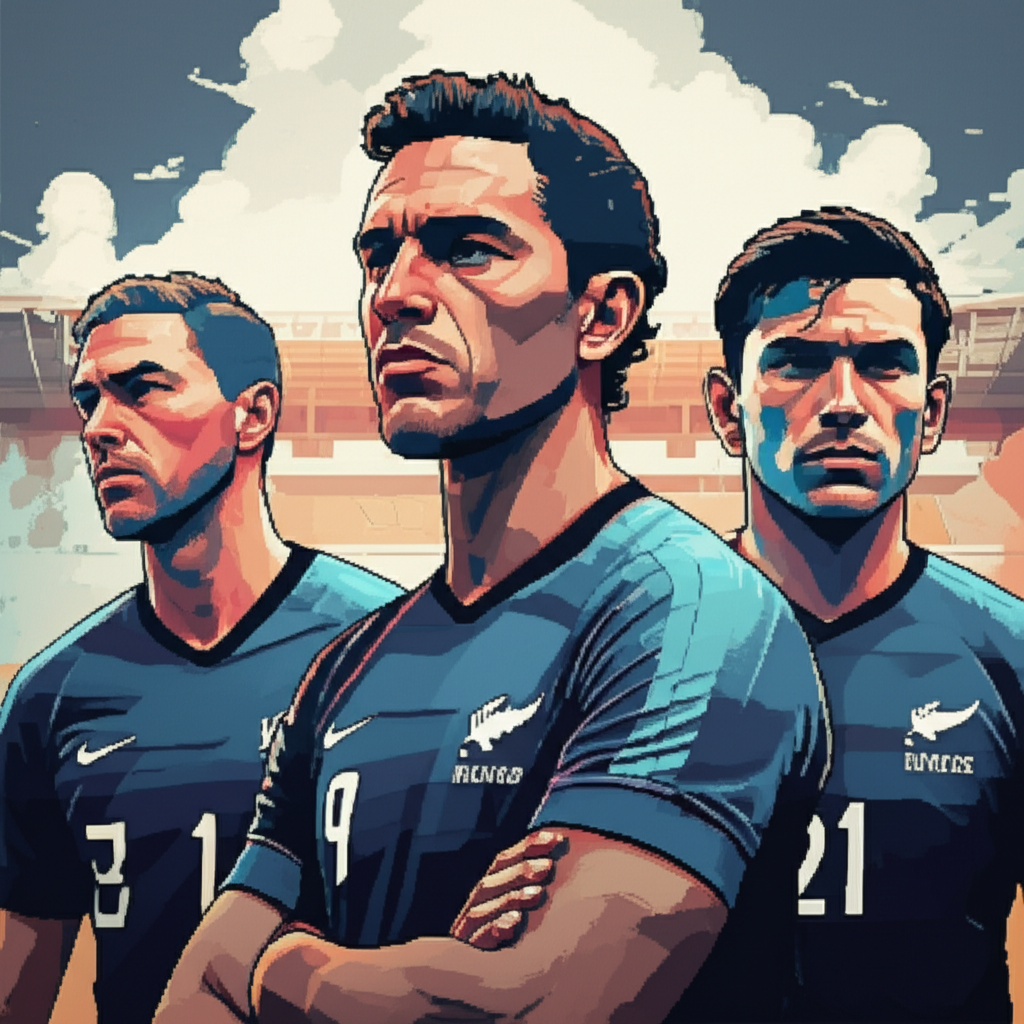
New Zealand returns to the FIFA World Cup representing Oceania, a confederation that has historically struggled for global respect despite producing competitive teams that have occasionally punched above their weight at major tournaments. The All Whites qualified as OFC champions and now face a Group G draw featuring Belgium—the European powerhouse with a golden generation nearing its final opportunity—alongside Iran and Egypt, two nations with their own World Cup ambitions and tactical sophistication that will test New Zealand's defensive organization and attacking creativity.
New Zealand's World Cup history includes memorable moments that have established them as more than merely participants making up numbers. Their 2010 campaign produced three draws without a loss—against Paraguay, Slovakia, and Italy—demonstrating defensive solidity and tactical discipline that earned respect despite not advancing from the group. That unbeaten record remains New Zealand's World Cup highlight, a standard that subsequent campaigns have failed to match. The challenge for the current generation lies in replicating that organizational excellence while adding the attacking potency that transforms respectability into actual advancement.
Group G's structure creates fascinating tactical matchups. Belgium enters as favorites, possessing attacking talent that has produced goals against everyone they've faced over the past decade, yet their aging squad raises questions about whether this World Cup represents a last chance or a decline beyond competitiveness. Iran brings Asian football's physicality and tactical discipline, creating a different challenge than Belgium's technical superiority. Egypt arrives with Mohamed Salah leading their attack, offering world-class quality that can decide matches through individual brilliance. New Zealand must adapt tactically to each opponent while maintaining the defensive foundation that has historically defined their World Cup performances.
The All Whites' squad features players spread across A-League clubs, European lower divisions, and emerging Asian leagues. This geographical diversity provides tactical breadth—players familiar with different playing styles and competitive environments—but also creates integration challenges. Forging a cohesive unit from players who rarely compete together at club level requires coaching excellence and training camp efficiency that maximizes limited preparation time. Whether New Zealand's technical staff can accomplish this integration before the tournament begins will largely determine their competitive level against quality opposition.
Realistic expectations for New Zealand focus less on advancing from the group and more on competitive performances that demonstrate Oceania football's continued development. A draw against Iran or Egypt would represent success; pushing Belgium to the limit would validate the qualification achievement. World Cup participation for smaller nations serves multiple purposes beyond immediate results—it inspires youth development, attracts investment, and demonstrates that football excellence isn't limited to traditional powers. New Zealand's presence contributes to that broader narrative regardless of group stage outcomes.
For the All Whites, the 2026 World Cup provides an opportunity to remind the global football community that Oceania produces competitive teams despite lacking the population bases and professional league structures that European and South American nations enjoy. New Zealand's journey from Pacific isolation to World Cup participation represents triumph over geographical and structural disadvantages that make qualification itself a remarkable achievement. Whether they can translate that achievement into on-field competitiveness against Belgium, Iran, and Egypt remains uncertain, but their qualification ensures Oceania maintains representation at football's premier tournament, preserving pathways for future generations of Pacific Islander footballers dreaming of World Cup glory.