
FIFA Backs Mexico Despite Security Concerns as World Cup Approaches
President Infantino expresses 'full confidence' in Mexico's ability to host despite recent violence in Jalisco; playoff matches and tournament preparations continue as planned.
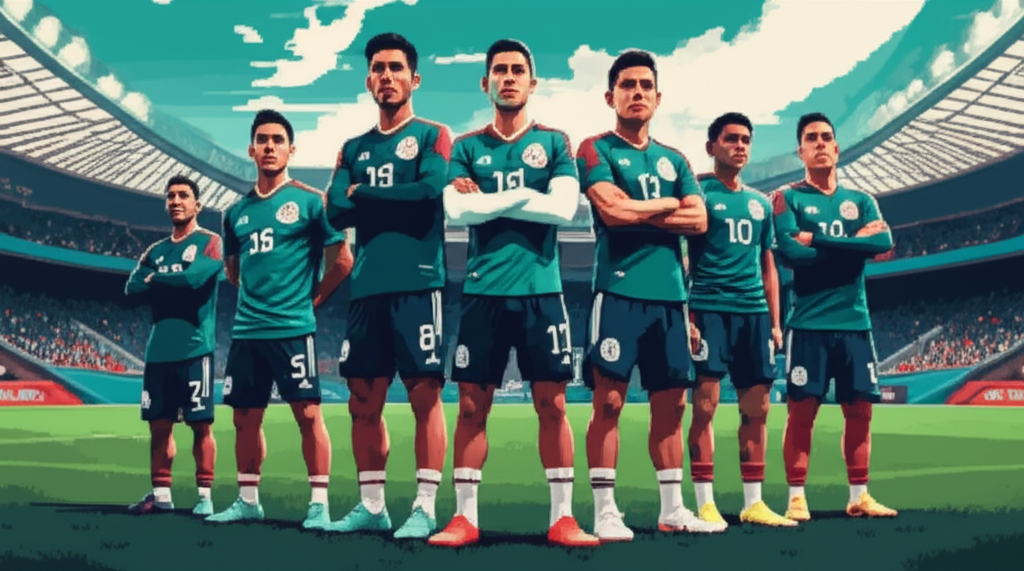
FIFA President Gianni Infantino has declared he maintains "full confidence" in Mexico's capacity to host World Cup 2026 matches despite recent security concerns stemming from cartel-related violence in Jalisco state. The vote of support comes as Mexico prepares to co-host football's premier tournament alongside the United States and Canada, with the country set to stage critical matches including the tournament's opening game at Estadio Azteca.
The University of Michigan News reported that Mexico is "navigating a period of security instability following the confirmed death of Nemesio Oseguera Cervantes," the leader of the Jalisco New Generation Cartel known as El Mencho. The incident triggered violent episodes across Jalisco, the Mexican state where Guadalajara's Estadio Akron is scheduled to host both March's World Cup playoff tournament and four group stage matches during the main event in June. Public transportation was suspended during peak unrest, raising immediate questions about the venue's suitability for hosting international football.
Yet FIFA has chosen to proceed without venue changes. According to USA Today, "The games in Guadalajara will move forward despite recent security concerns," with the organization working in close coordination with Mexican authorities to ensure player and fan safety. Mexican President Claudia Sheinbaum reinforced this position, stating there is "no risk" to fans coming to the country for the tournament. TeleSUR English quoted security official Cuevas affirming that "Jalisco today is safer than days ago—safer without El Mencho and with the National Guard," adding that "a rapid security operation restored normalcy within 48 hours."
Mexico Business News reported the government's concrete response: "The Ministry of National Defense increased its presence in Jalisco with 2,500 additional military elements following violent incidents in February." These forces will coordinate with FIFA personnel and local police to secure tournament venues. The deployment includes counter-drone systems specifically designed for the World Cup, a technological enhancement reflecting modern security challenges at major sporting events. Safe transportation corridors, medical coverage protocols, and emergency procedures are being established for all venues hosting matches.
The immediate test of these security measures arrives with this month's World Cup playoff tournament at Estadio Akron. Reuters reported that "Tickets for this month's World Cup Playoff tournament in Mexico went on sale on Tuesday at bargain prices compared to the finals, with fans able to secure a seat for as little as 200 Mexican pesos ($11.33)." The tournament will determine two of the final six nations to qualify for the expanded 48-team format, providing a proving ground for Mexico's security arrangements under international scrutiny before June's main event.
For Mexico's national team, the security situation presents an unusual dynamic. As co-hosts, El Tri automatically qualified for the tournament without the stress of competitive qualifying. This guaranteed participation allows manager Javier Aguirre to focus entirely on squad preparation and tactical refinement. AS USA noted that "Cruz Azul midfielder Carlos Rotondi has called on Mexico national team coach Javier Aguirre to add teammate Omar Campos to his roster ahead of World Cup 2026," indicating active roster debates continue as the tournament approaches. The team recently defeated Iceland 4-0 in a friendly, with three goals coming from Chivas players—a reminder of the domestic talent pool Aguirre can draw upon.
Mexico enters the tournament in Group A alongside South Korea and South Africa. As hosts, expectations run extraordinarily high for a nation that has reached the Round of 16 in seven consecutive World Cups but never progressed beyond the quarterfinals. The pressure to perform on home soil—with the opening match at iconic Estadio Azteca providing maximum spotlight—creates both opportunity and burden. Success would vindicate Mexico's hosting role; early elimination would represent a catastrophic failure given home advantage.
The security concerns, while serious, haven't derailed FIFA's confidence in Mexican authorities' ability to deliver a safe tournament. The rapid deployment of military reinforcements and technological security systems demonstrates the government's commitment to addressing vulnerabilities. For fans planning to attend, the reassurances from FIFA leadership and the Mexican president—backed by concrete security enhancements—suggest the tournament will proceed as scheduled. Whether Mexico can channel home support into their deepest World Cup run remains the sporting question, but the operational question of whether they can safely host has been answered affirmatively by football's governing body.