
Ivory Coast Returns to World Cup Stage with Talented Squad in Competitive Group E
The Elephants face Germany and Ecuador in Group E; Ivorian football aims to recapture glory years that produced Drogba generation.
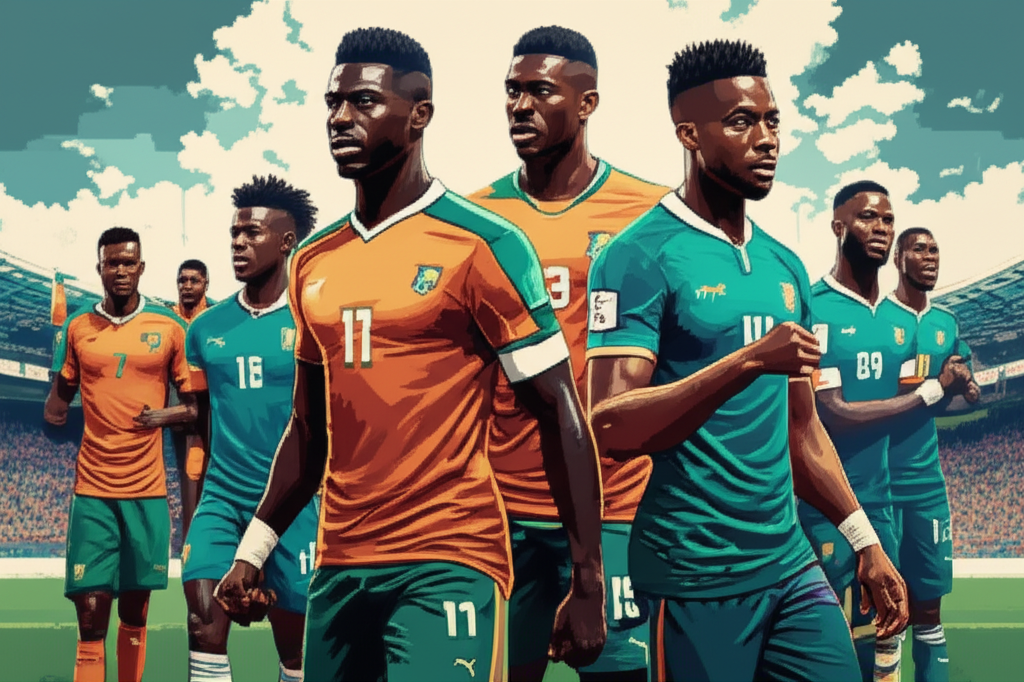
Ivory Coast returns to the World Cup stage seeking to reclaim the prominence that characterized their golden generation led by Didier Drogba. That era—spanning roughly 2006-2014—established the Elephants as African football royalty, combining individual brilliance with tactical sophistication that earned respect from European and South American powers. Yet World Cup success eluded that talented generation, with group stage exits at both 2010 and 2014 tournaments highlighting the gap between possessing world-class players and converting that talent into tournament achievements. The current generation inherits both the pride of that legacy and the burden of unfinished business.
Group E presents a challenging but navigable path for Ivory Coast. Germany arrives as four-time champions rebuilding after recent disappointments, possessing tactical discipline but lacking the intimidation factor that previously defined German World Cup teams. Ecuador brings a golden generation of their own, led by Moisés Caicedo and featuring talented defenders who have established themselves at Europe's elite clubs. Curaçao makes their World Cup debut as the group's underdog, but tournament history shows that dismissing newcomers proves costly. Ivory Coast should compete for advancement, but the margin for error against quality opposition is razor-thin.
USA Today confirmed match details: "Ivory Coast vs. Ecuador (Group E) - Philadelphia, 4 p.m.," while FOX 5 DC noted the June schedule includes "June 25: Curaçao vs. Ivory Coast (4 p.m. ET)." These American venues provide neutral ground where tactical execution matters more than passionate home support, creating conditions that favor organized, disciplined teams over those relying on emotional energy. For Ivory Coast, playing in North America eliminates travel disadvantages that African teams sometimes face when competing in Europe or South America, though it also removes the proximity to home that can provide motivational advantages.
Ivorian football has produced remarkable individual talents consistently—players who excel at Europe's biggest clubs and earn transfer fees that reflect genuine world-class quality. What has proven more elusive is translating individual brilliance into cohesive national team performance under World Cup pressure. The Drogba generation possessed arguably more talent than the current squad yet never advanced past the group stage when it mattered most. This reality creates a paradox where Ivory Coast simultaneously enters as a dangerous opponent capable of beating anyone while also carrying the weight of unfulfilled expectations that can create pressure leading to underperformance.
For the Elephants, the 2026 World Cup provides an opportunity to finally deliver the tournament success that eluded previous generations. Facing Germany offers a chance to announce Ivorian football's return to prominence by defeating one of the sport's traditional powers. Beating Ecuador would demonstrate that African football can match South America's technical quality. Advancing from Group E would validate years of investment in youth development and tactical evolution. The challenge lies not in potential—Ivory Coast possesses that in abundance—but in executing game plans flawlessly when the world watches and history judges. Whether this generation can accomplish what Drogba's could not remains the defining question of their World Cup campaign.