
Haiti's 52-Year Wait Ends: Les Grenadiers Return to World Cup Stage
Caribbean nation secures dramatic World Cup qualification for first time since 1974, with FC Dallas midfielder Louicius Deedson celebrating historic achievement.
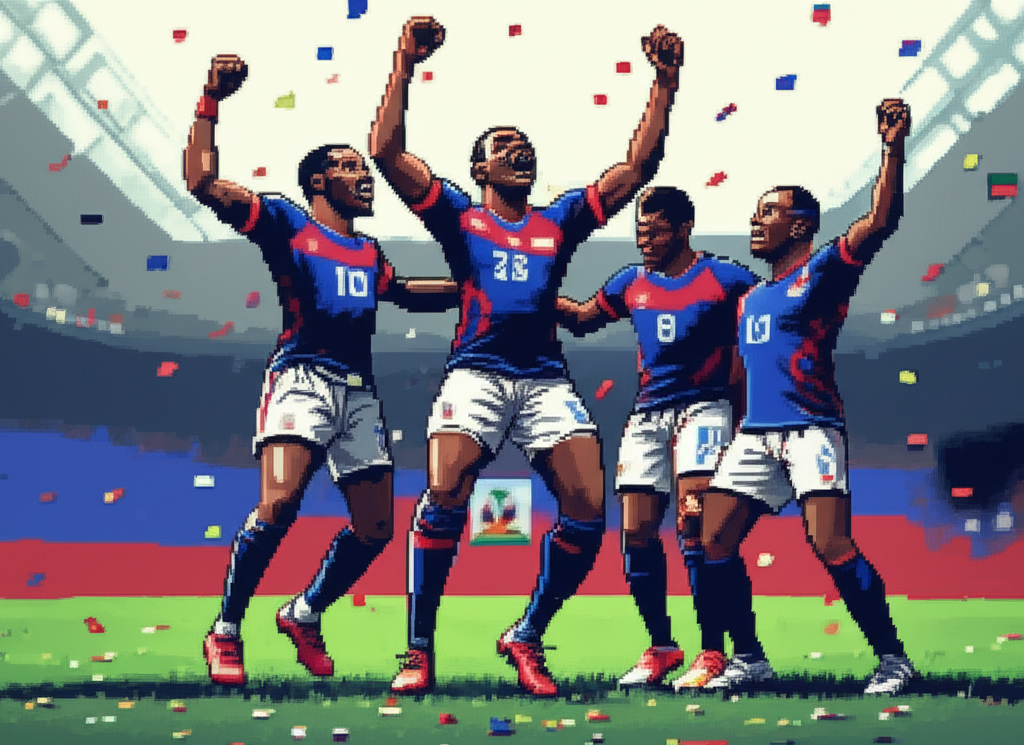
Fifty-two years. Two generations of Haitian football fans who never witnessed their national team on the World Cup stage. That drought ended in dramatic fashion as Haiti secured qualification for the 2026 FIFA World Cup, marking their return to football's grandest tournament for the first time since 1974's edition in West Germany.
The path to qualification required both performance and fortune. Haiti needed a specific result—Costa Rica versus Honduras ending in a draw—to secure their World Cup berth through CONCACAF's complex qualifying format. As Les Grenadiers huddled on the field, watching the match unfold on a single cell phone screen, the tension was palpable. When the final whistle confirmed the necessary result, celebrations erupted across Port-au-Prince and throughout the Haitian diaspora.
"Haiti needed the Costa Rica vs Honduras game to end in a tie to qualify for the 2026 World Cup for the first time since 1974," CBS Texas reported, capturing the nail-biting final moments. "The Grenadiers were huddled up, watching the game on the field through a single cell phone." That image—a national team's fate hanging on another match's result, viewed collectively through a phone's glow—perfectly encapsulates the passion and precariousness of World Cup qualification.
FC Dallas midfielder Louicius Deedson played a crucial role in Haiti's qualification campaign, representing the modern generation of Haitian players plying their trade in MLS and abroad. His contribution symbolizes the broader development of Haitian football infrastructure and the pathway created for Caribbean talent to compete at the highest levels. Deedson and his teammates will now carry the hopes of a nation desperate for World Cup glory after more than half a century away.
Haiti has been drawn into Group C alongside Brazil, Morocco, and Scotland—a challenging but exciting assignment that places Les Grenadiers against three distinct football cultures. The matchup with Brazil in Philadelphia will be particularly significant, pitting one of CONCACAF's smaller nations against five-time world champions in a venue that promises passionate support from both the Brazilian and Haitian diaspora communities. The Athletic noted this fixture as one where ticket demand centers on the giants, though Haiti supporters will undoubtedly pack sections of Lincoln Financial Field.
Off the field, Haiti's football federation is navigating transitions. After eight years, the Haitian Federation and kit manufacturer Saeta are terminating their agreement, though details of the split and timeline remain undisclosed. This administrative change comes as the federation prepares for its biggest moment in modern history, requiring new partnerships to outfit the national team for their World Cup campaign. Additionally, Haiti's U-17 team recently qualified for the FIFA U-17 World Cup, marking the country's second consecutive qualification at youth level—a promising sign for the future pipeline of Haitian talent.
For a nation that has endured profound challenges both on and off the pitch, this World Cup qualification represents more than football. It's validation of sustained effort, proof that Caribbean nations can compete in CONCACAF's brutal qualifying gauntlet, and a source of immense national pride for Haiti's 11 million citizens and its extensive diaspora. Fifty-two years is a long time to wait. But for Les Grenadiers and their supporters, the wait is finally over. The World Cup stage awaits, and Haiti is ready to announce its return.