
Ecuador's Golden Generation Arrives: Caicedo Leads La Tri Into Group E Challenge
Chelsea midfielder headlines Ecuador's talented young squad featuring Hincapie, Pacho, and teen prodigy Páez; facing Germany and Ivory Coast in competitive group.
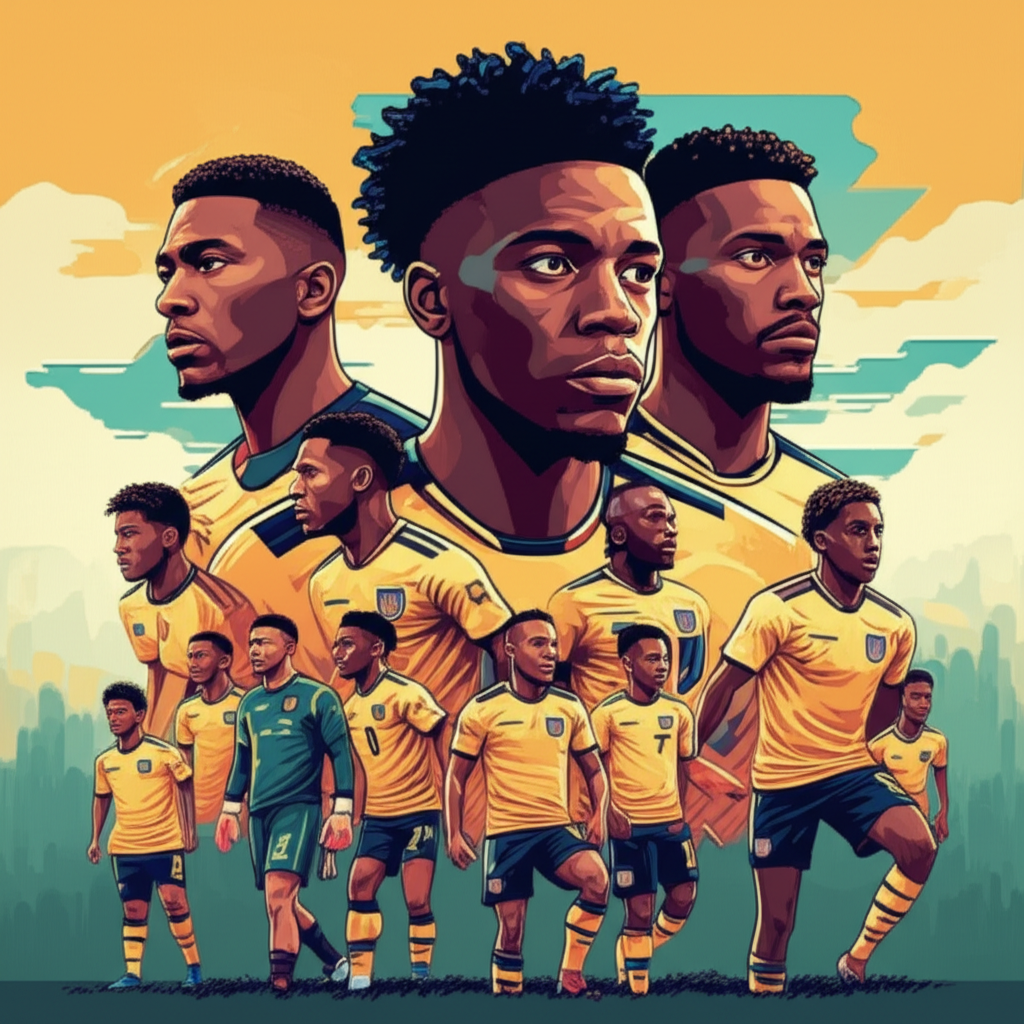
Ecuador arrives at the 2026 FIFA World Cup carrying the weight of expectations that accompany a golden generation. The Athletic's World Cup player preview emphasized that "Ecuador have something of a golden generation brewing, with Piero Hincapie, Willian Pacho and Kendry Paez. Caicedo is their best and most well-known player." This collection of talent—spread across Europe's elite clubs—represents the culmination of decades of South American football development meeting European tactical sophistication. Whether they can translate individual brilliance into collective success remains the defining question of Ecuador's tournament.
At the heart of this generation sits Moisés Caicedo, the Chelsea midfielder whose meteoric rise epitomizes modern Ecuadorian football. The Athletic noted: "I'm excited to see how he guides his country through this summer. El Tri have got a relatively kind draw in the group stages and they could be a surprise package." Caicedo's composure under pressure, defensive intelligence, and ability to progress play from deep positions provide Ecuador with a tactical anchor that few South American teams outside Brazil and Argentina possess. His Premier League experience means he's accustomed to the intensity and physical demands that World Cup football demands.
Surrounding Caicedo are defenders who have established themselves at Europe's biggest clubs. Piero Hincapie at Bayer Leverkusen and Willian Pacho at PSG bring Champions League pedigree to Ecuador's backline, offering defensive stability that allows the team to play progressively without constantly fearing counterattacks. Then there's Kendry Páez, the teenage prodigy whose inclusion in discussions about Ecuador's golden generation despite his youth speaks to his exceptional talent. At just 19, Páez represents the future while simultaneously being asked to contribute to the present—a burden few players handle successfully, but one Ecuador desperately needs him to bear.
Ecuador faces a challenging Group E draw that will test whether their golden generation label reflects reality or premature hype. Germany enters as four-time champions rebuilding after recent disappointments, bringing tactical discipline and technical quality that Ecuador must match for 90 minutes. Ivory Coast qualified through Africa's brutal competition and possesses attacking talents capable of punishing defensive mistakes. Curaçao makes their World Cup debut as the group's underdog, but tournament history shows newcomers often produce shock results when playing without pressure. Ecuador should advance, but the margin for error is minimal.
The matches will be played across Philadelphia and New York, with USA Today confirming "Ivory Coast vs. Ecuador (Group E) - Philadelphia, 4 p.m." and FOX 5 New York noting "June 25: Ecuador vs. Germany (4 p.m. ET)" at MetLife Stadium. These American venues provide neutral ground that eliminates home advantage, creating conditions where tactical execution and mental strength determine outcomes more than passionate support. For Ecuador, playing in North America offers advantages—proximity to South America means traveling fans will outnumber European supporters, and the climate resembles conditions Ecuadorian players train in year-round.
Ecuador's World Cup history suggests they're capable of competing with anyone when executing their game plan properly. Previous tournaments have seen La Tri reach the Round of 16 multiple times, demonstrating they're not merely participants but genuine competitors. Yet they've never advanced to quarterfinals, always falling short when facing elite opposition in knockout stages. The golden generation label brings expectation that this time will be different—that Caicedo, Hincapie, Pacho, and Páez can finally break through barriers that limited previous Ecuadorian squads.
The challenge for Ecuador lies in translating individual talent into cohesive team performance under World Cup pressure. Having players at Chelsea, PSG, and Leverkusen demonstrates individual quality; converting that into victories when the world watches requires mental strength that cannot be measured in transfer fees or club pedigrees. The Sporting News captured this tension: "Ecuador is always a strong candidate at the World Cup, though it's going for a knockout finish in 2026. While Germany and La Tri will play in what is 'just' a group stage match, those results will weight heavy for both nations." For Ecuador, the golden generation's legacy begins not with potential but with performance when everything is at stake.