
Cape Verde's World Cup Dream Realized: Blue Sharks Make History in Group H
Island nation of 500,000 reaches World Cup for first time; faces Spain and Uruguay in one of tournament's toughest groups.
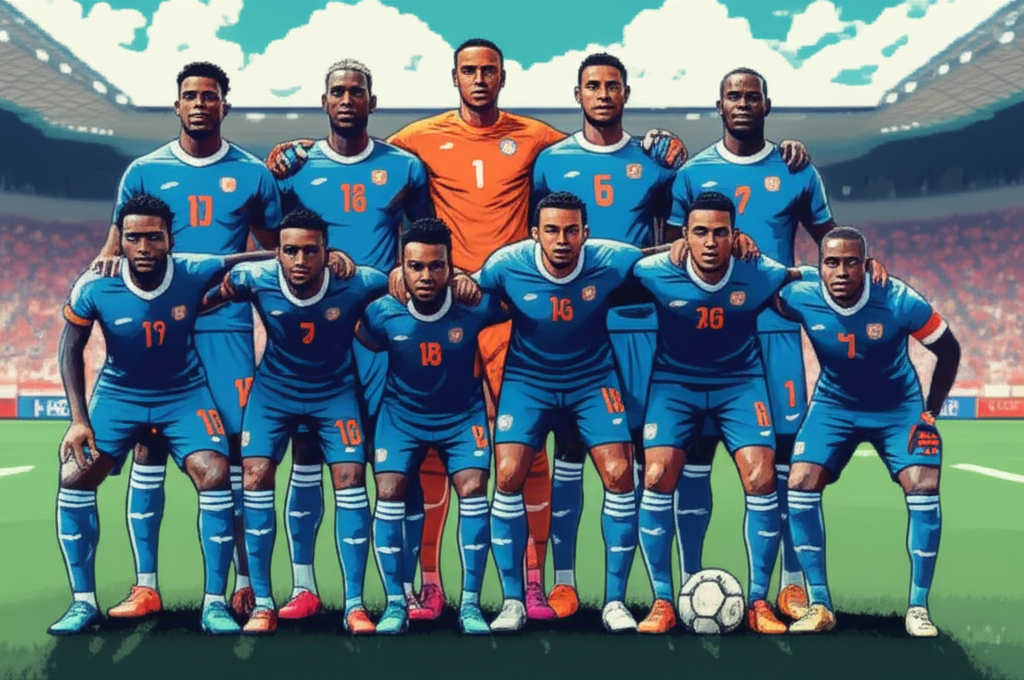
Cape Verde's qualification for the 2026 FIFA World Cup represents one of football's most improbable success stories—an island nation of approximately 500,000 people reaching the sport's pinnacle against overwhelming demographic and geographical odds. Wikipedia confirmed that "Cape Verde, Curaçao, Jordan, and Uzbekistan will all make their World Cup debuts," establishing the Blue Sharks as one of four first-time participants whose presence demonstrates how the 48-team expansion has democratized access to football's premier tournament. For Cape Verdeans worldwide, this achievement transcends sport, representing national pride and international recognition for a country often overlooked on global stages.
Group H presents perhaps the tournament's most daunting draw for a debutant. Spain enters as European champions and one of the favorites to win the entire competition, possessing technical superiority and tactical sophistication that few teams can match. Uruguay brings tactical evolution under Marcelo Bielsa alongside two World Cup titles and expectations of deep tournament runs. Saudi Arabia, fresh from their stunning 2022 victory over Argentina, arrives as dangerous opposition capable of producing upsets. Cape Verde faces overwhelming odds in all three matches, yet their mere presence in this group represents triumph over barriers that would have prevented qualification under the previous 32-team format.
The Blue Sharks' squad features players scattered across European lower divisions, Portuguese leagues, and domestic Cape Verdean football. This diaspora connection reflects the nation's history—Cape Verdean emigrants and their descendants now outnumber the island population, creating a talent pool that extends far beyond the archipelago's shores. Players who might have represented other nations instead chose Cape Verde, driven by cultural connection and the opportunity to write history for a country seeking global recognition. That choice now culminates in World Cup participation that validates their commitment to representing the Blue Sharks.
Cape Verde's tactical approach will necessarily emphasize defensive organization and counterattacking opportunities, seeking to limit damage against superior opponents while capitalizing on the rare scoring chances that arise during transition moments. Against Spain's possession-based dominance, the Blue Sharks must maintain defensive shape for 90 minutes while avoiding the fatigue that creates defensive errors. Against Uruguay's high press, Cape Verde needs composure under pressure and quick vertical passing that bypasses pressing traps. Against Saudi Arabia, the match becomes a tactical chess match between two teams seeking their first group points—potentially Cape Verde's best opportunity for a positive result.
Realistic expectations for Cape Verde focus entirely on the experience rather than results. Simply participating represents historic achievement that inspires youth development and demonstrates that football success isn't limited to large nations with established infrastructure. If the Blue Sharks can avoid embarrassing defeats—keeping scorelines respectable against Spain and Uruguay while competing seriously against Saudi Arabia—the tournament will be considered successful. A draw or even a victory would represent fairy-tale achievement that exceeds even the most optimistic pre-tournament predictions.
For Cape Verde, the 2026 World Cup serves purposes that extend beyond 270 minutes of group stage football. The global exposure attracts tourism interest, foreign investment, and international attention that benefits the nation economically and culturally. Young Cape Verdeans watching their heroes compete against Ronaldo's Portugal or Spain's stars will dream of following that path, creating future generations of players who might transform the Blue Sharks from one-time World Cup participants into consistent qualifiers. Whether Cape Verde can advance from Group H matters less than the doors this qualification opens for a nation proving that size and resources don't determine footballing destiny.