
Argentina Don't Need To Prove Anything. But They Will Anyway.
Defending champions. World Cup winners. Messi's coronation complete. So why does it feel like they have everything to lose?
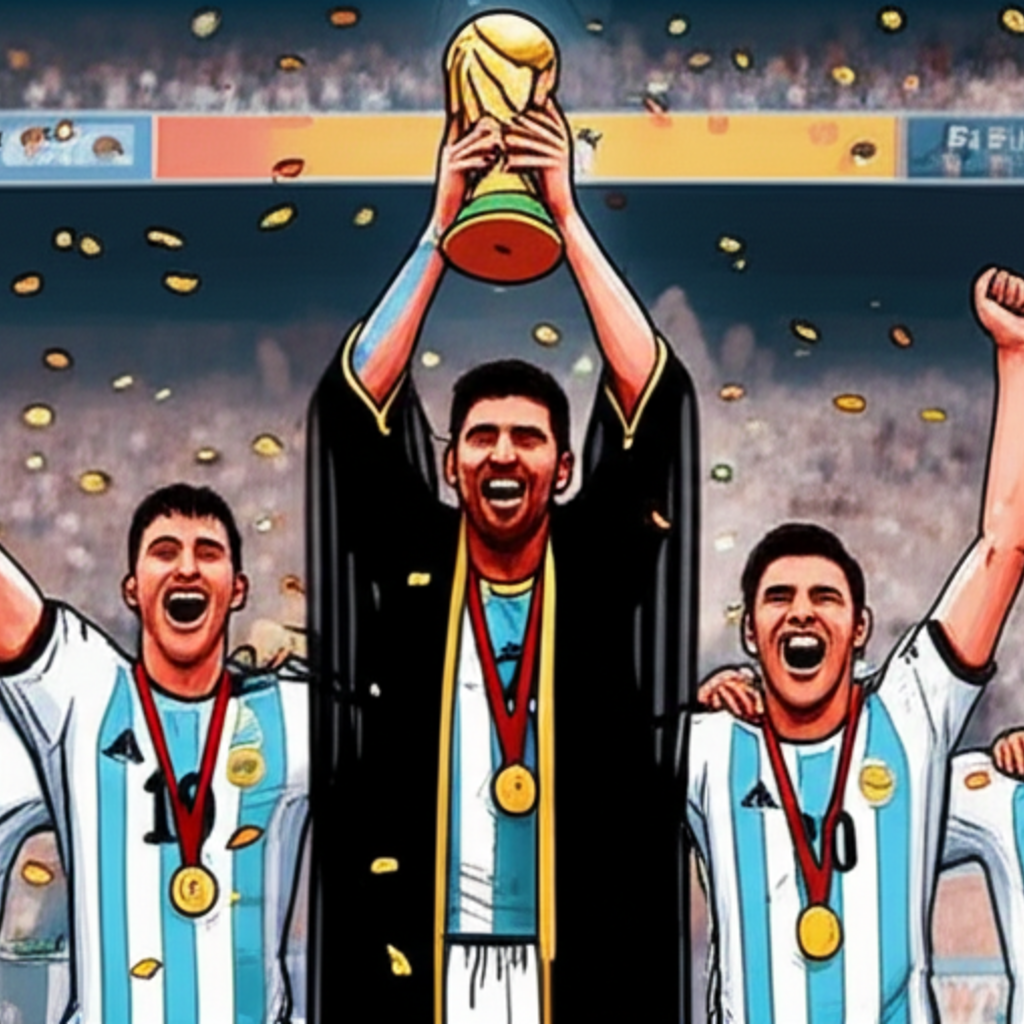
Argentina has nothing left to prove. They won the World Cup. Lionel Messi finally got his trophy. The curse is broken. The job is done.
Except it's not. Because now they have to do it again.
The Weight of Defending
Nobody talks about how hard it is to defend a World Cup. France tried in 2022 and came agonizingly close. Germany couldn't even escape the group stage in 2018. Italy didn't even qualify for 2018 after winning in 2006.
Defending champions carry a target. Every team wants to beat you. Every match becomes a statement game for your opponent. You're not chasing glory anymore—you're protecting it. And that's exhausting.
Argentina won Qatar 2022 with the hunger of a team that had been denied too many times. They played with desperation. With belief. With the knowledge that this might be Messi's last chance.
But 2026? This is different. They've already climbed the mountain. Now they have to climb it again, knowing exactly how brutal the path is.
The Messi Question
Lionel Messi will be 39 years old at the 2026 World Cup. Let that sink in. Thirty-nine.
He might still be the best player on the pitch. He's Messi. But the game has changed. Teams press harder. Matches are faster. Recovery takes longer. At 35 in Qatar, Messi was already managing his energy carefully. At 39, he'll be playing chess while everyone else is playing checkers.
The question isn't whether Messi can still perform. It's whether Argentina can build a system that doesn't rely on him to perform every single game. Because if they depend on 39-year-old Messi to carry them like he did in Qatar, they're going to fall short.
"We won the World Cup. Now we have to prove it wasn't luck."
— Emiliano Martínez
The Squad Is Still World-Class
The good news? Argentina didn't win Qatar on Messi alone. This squad is stacked:
- Julián Álvarez — The workhorse forward who does the dirty work
- Enzo Fernández — Midfield brilliance, already a Premier League star
- Alexis Mac Allister — Creative engine, press-resistant
- Emiliano Martínez — The best goalkeeper in the world, and he knows it
This isn't a one-man team anymore. Argentina has depth. They have balance. They have a system that works whether Messi is at 100% or 70%.
But the mentality shift is real. In Qatar, they were hunters. In 2026, they'll be hunted.
Why 2026 Is Different
North America changes everything. Playing in the United States, Canada, and Mexico means:
- Huge Argentine diaspora in stadiums (home-field advantage)
- Shorter travel distances between matches (recovery benefits)
- Familiarity with CONCACAF opponents in group stage
But it also means dealing with altitude in Mexico City, summer heat in Texas, and the pressure of playing in front of millions of South American fans who expect nothing less than another trophy.
The Burden of Perfection
Here's the hard truth: if Argentina win, it's expected. If they lose, it's a disaster. There's no middle ground for defending champions.
They can't just "have a good tournament." They can't bow out gracefully in the quarterfinals and call it a success. Anything less than another final—another trophy—will feel like failure.
That's the curse of being Argentina in 2026. You've already won everything. Now you have to win it all over again, just to prove the first time wasn't a fluke.
No pressure.